

E-Invoicing in Malaysia: What MSMEs Need to Know
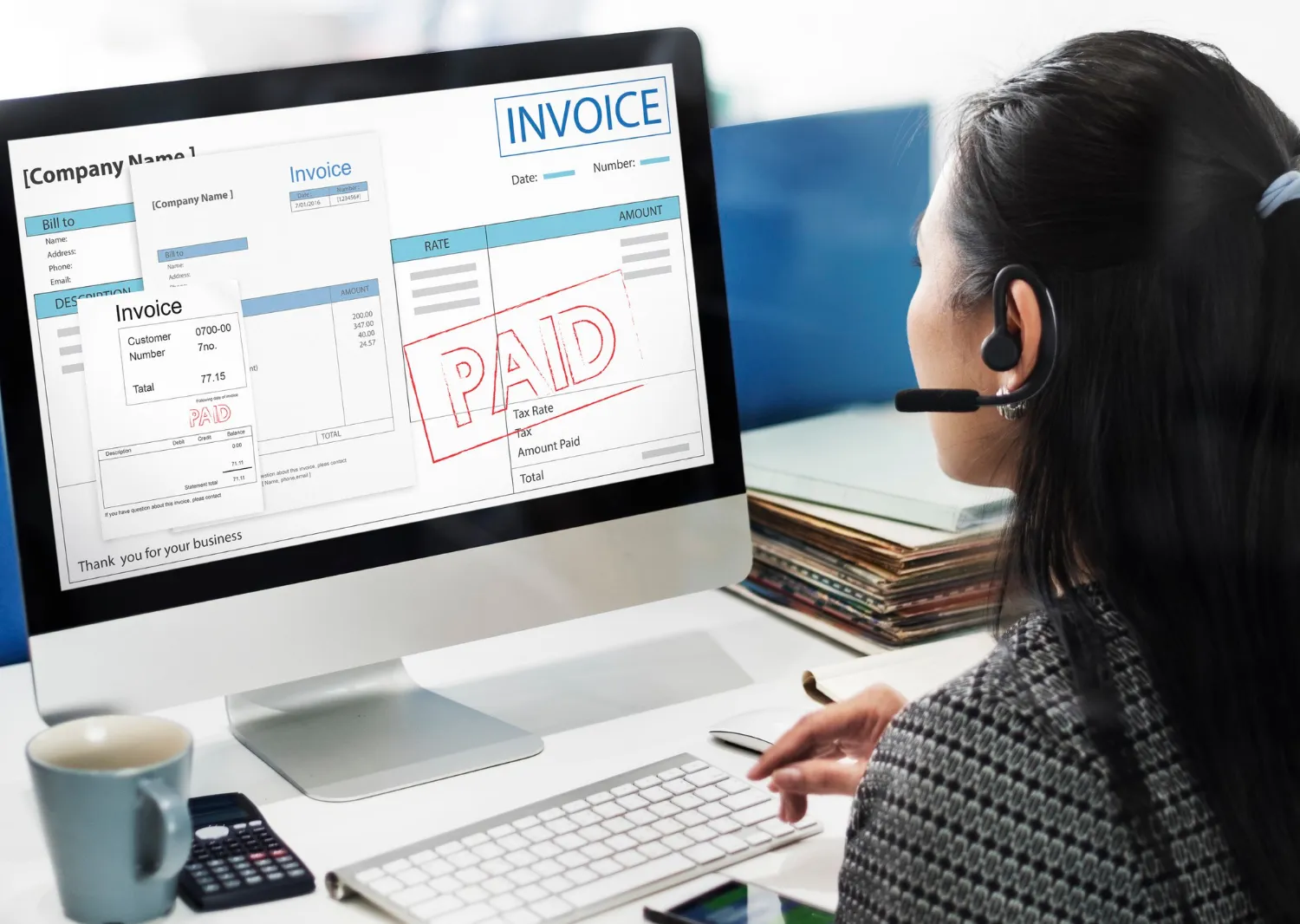
E-invoicing is becoming an important part of Malaysia’s digital tax and compliance landscape. For Micro, Small and Medium Enterprises (MSMEs), understanding e-invoicing requirements early can help avoid disruption, penalties and operational challenges.
E-invoicing involves the electronic generation, transmission and storage of invoices in a structured digital format. In Malaysia, e-invoicing is introduced to improve transparency, enhance tax compliance and streamline reporting to the authorities.
For MSMEs, one of the biggest concerns is readiness. Many businesses still rely on manual invoicing or basic systems that are not fully integrated with accounting records. Without proper preparation, e-invoice implementation may cause delays, errors and compliance risks.
Another key consideration is internal processes. E-invoicing is not just a system change — it requires proper documentation, accurate data entry and consistent record-keeping. Businesses must ensure their sales, accounting and finance processes are aligned.
Training and guidance play a crucial role during this transition. MSMEs that receive proper support can adapt smoothly, reduce errors and maintain business continuity while meeting regulatory requirements.
By preparing early and understanding the implications of e-invoicing, MSMEs in Malaysia can turn compliance into an opportunity for better financial control and efficiency.